



iGaming in 2025: Casino, Betting, Slots & Poker Trends
iGaming | 20 November 2026
Remember when online casinos felt like a guilty pleasure you hid from your bank statement? Those days are long gone. iGaming is now a $100 billion industry, and the smartest players aren't just spinning reels hoping for luck—they're treating it like a craft. Whether you're into slots, poker, sports betting, or live dealer tables, the landscape has shifted dramatically. Let's cut through the hype and talk about what actually matters in 2025.
The Slot Machine Paradox: Flashy but Smarter
Slots remain the undisputed king of casino revenue—about 70% of all gambling profits come from those spinning reels. But here's the thing: modern slots aren't just about mindless button-mashing anymore. Developers like Nolimit City and Push Gaming have introduced mechanics that reward attention. Take San Quentin xWays—it's a volatility monster with a 150,000x max win. Not your grandma's fruit machine. For practical tips, check out สล็อต.
What should you actually look for? Volatility and RTP (Return to Player) matter more than the theme. A slot with 96.5% RTP and high volatility won't pay often, but when it does, it can be massive. Low volatility slots like Starburst (96.1% RTP) keep you playing longer but rarely produce life-changing wins. There's no 'best' slot—only the right fit for your bankroll and nerve.
- Check the RTP before you spin: Anything below 95% is tight; above 96% is player-friendly.
- Bonus buy features: They cost 50-100x your stake but skip the grind. Only use if your budget allows.
- Max win caps: Some slots cap at 5,000x, others at 50,000x. Know before you chase.
Sports Betting: Data Over Gut Feeling
The days of betting on your favorite team because you 'have a feeling' are over—at least for serious bettors. In 2025, the edge comes from data. Expected goals (xG) in soccer, player efficiency ratings in basketball, and advanced metrics in tennis have leveled the playing field. But here's the dirty secret: bookmakers use the same data. Your edge isn't just knowing the stats—it's knowing when the odds are mispriced.
Example: A mid-table Premier League team loses its star striker to injury. Public money floods the opposing team, moving the line. But if the backup striker has a similar xG per 90 minutes, the value flips. That's where you strike. Also, don't sleep on live betting. Odds swing wildly during matches, and a red card or early goal can create brief windows where the market overreacts.
- Specialize in one or two leagues. Knowing everything about La Liga beats knowing a little about ten leagues.
- Track closing line value (CLV). If you consistently beat the closing odds, you're a winning bettor long-term.
- Bankroll management: Never bet more than 1-2% of your total bankroll on a single wager.
Poker: The Grind Is Real, But So Is the Edge
Poker isn't dead—it's just harder. The boom of 2003 is a distant memory, replaced by a shark tank of solvers and GTO (Game Theory Optimal) bots. But that doesn't mean casual players can't win. It means you need to pick your battles. Live poker at low stakes ($1/$2 and $2/$5) remains soft because recreational players still chase draws and overvalue top pair. Online? You're facing regs who've memorized preflop charts.
If you're serious about poker in 2025, focus on exploitative play over pure GTO. GTO is a baseline, not a winning strategy against bad players. If a opponent never bluffs rivers, fold your bluff-catchers. If they call too much, stop bluffing and value bet thin. Simple adjustments print money. Also, track your hands with software like PokerTracker or HoldemManager—your memory lies, data doesn't.
One more thing: bankroll separation. Poker winnings are not casino funds. Mixing them leads to tilt and disaster. Keep a dedicated poker bankroll of at least 20 buy-ins for cash games (e.g., $4,000 for $1/$2).
Live Dealer & Crash Games: The New Frontier
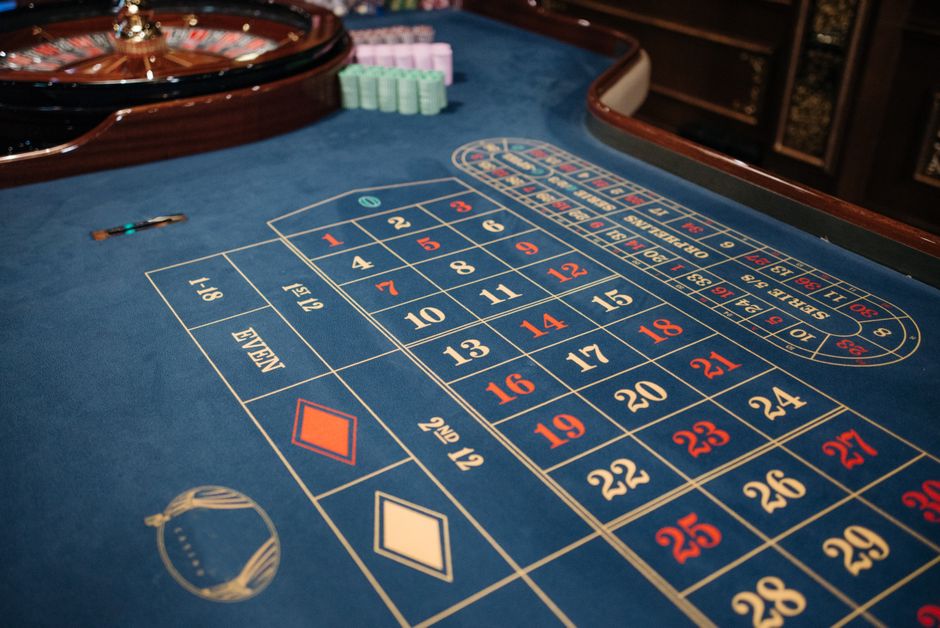
Live dealer games—blackjack, roulette, baccarat—have exploded because they blend the convenience of online with the social feel of a real casino. But the real disruptor is crash games like Aviator and Spaceman. These are simple: a multiplier rises, and you cash out before it crashes. Sounds easy, right? It's a psychological trap. The house edge is baked into the math—typically 1-3%—and chasing losses is how you lose your shirt.
If you play crash games, set a strict cash-out target (e.g., 1.5x) and never deviate. The moment you get greedy, the crash happens. It's not random—it's designed to feel random. Respect the math.
Responsible Gambling Isn't a Buzzword—It's Survival
Here's the uncomfortable truth: iGaming is entertainment, not an income stream. The moment you treat it as a job, you've already lost. Set deposit limits, take regular breaks, and never chase losses. Every reputable casino offers self-exclusion tools—use them if you feel your control slipping. The house always has an edge. Your edge is discipline.
Final thought: The best gamblers aren't the ones who win big once. They're the ones who manage risk, exploit small edges, and walk away when the fun stops. Whether you're spinning slots, betting on football, or grinding poker tables, treat it like a hobby with a cost—not a lottery ticket. That mindset will keep you in the game far longer than any hot streak.
-
Bluebell Brief Weekly Digest: Scarecrow Contest, Flu Shots, and a Send-Off for the Marching Band
Oct 2, 2026Community Spotlight

-
Local Business Spotlight: The Diner That Has Been Feeding This Town for Forty Years
Sep 24, 2026Events & Happenings


-
Town Council Preview: Parking Rules Downtown, a New Crosswalk, and the Budget Calendar
Sep 28, 2026Weekly Digest

-

-
Harvest Supper, Cemetery Walk, and the Coat Drive: A Full Weekend Around Bluebell
Aug 30, 2026Community Spotlight

-
Behind the Counter at Bluebell Hardware: A Conversation With the Family That Keeps It Running
Sep 16, 2026Events & Happenings

-
Town Council Weighs Elm Street Sidewalk Repairs as Residents Voice Concerns
Sep 2, 2026Weekly Digest


Bluebell Brief

A long-delayed sidewalk project on Elm Street is back on the agenda, and neighbors are split on how much of the cost should fall on the town.