








The RTP Myth: Why Slot Players Keep Misreading the Math
iGaming | 19 November 2026
Every slot player has heard the phrase. "This machine is due." Or the flip side: "That game pays out 96%, so I'll win about 96 cents for every euro I put in." Neither statement survives contact with actual probability theory, yet both circulate endlessly in casino forums and group chats. The gap between how slot math is marketed and how slot math actually works is one of the most expensive misunderstandings in iGaming. Understanding it won't turn you into a winner, but it will stop you from making decisions based on fairy tales.
Let's break down what the numbers really mean, why the casino floor is not the stock market, and how experienced players adjust their strategy once they accept the reality of random number generators.
RTP Is a Long-Run Average, Not a Promise
Return to Player, or RTP, is the theoretical percentage of all wagered money a slot game returns to players over millions of spins. A 96% RTP game keeps 4% as house edge over the long haul. That "long haul" is doing enormous work in that sentence. It could take tens of millions of spins before a game's actual payout converges anywhere near its advertised RTP. In a single session of 500 spins, your personal result is governed almost entirely by variance, not by the theoretical return.
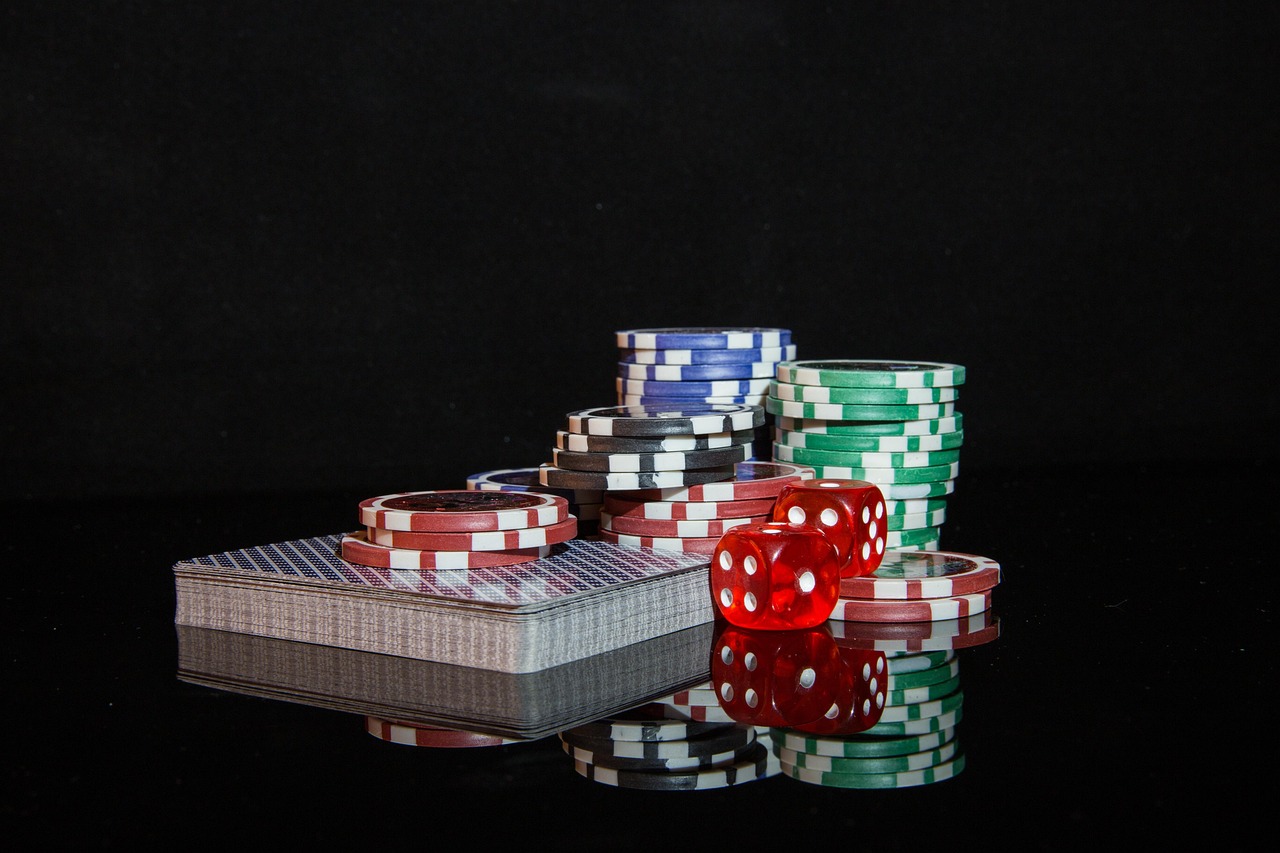
Think of it this way. If you flip a fair coin 10 times, getting seven heads is unremarkable. Over a million flips, the proportion of heads gets very close to 50%. Slot sessions are short coin-flip sequences stretched across thousands of paylines. The published RTP describes the million-flip behavior, not your Tuesday night.
- A 96% RTP does not mean you lose exactly 4% each session.
- High-volatility slots can pay nothing for hundreds of spins, then deliver a 2,000x hit.
- Low-volatility slots offer smaller, more frequent wins but a gentler drain.
- Two games with identical RTP can feel completely different because of variance.
This is why two players can sit at the same game, one walking away up 300 units and the other down 300, both experiencing results completely consistent with the advertised math.
The Gambler's Fallacy and the Hot Machine Delusion
Random number generators do not remember your last spin. Each outcome is independent. A slot that just paid a jackpot is not "cold" and a slot that has eaten 200 spins is not "warming up." The machine has no state that cares about your history. The gambler's fallacy, the belief that past random events influence future ones, is the single biggest cognitive trap in casino gaming.
There's a related belief worth killing: the notion that casinos can flip a switch on individual machines to change RTP mid-session. Regulated markets require certified software and audited RNGs. A game's RTP is baked into its paytable and reel weights, not adjusted live by a floor manager watching your bankroll. Slot directors can choose which games to place on the floor; they cannot reach into a machine and nerf your session. สล็อต offers a practical breakdown of the topic.
What actually does change your odds
Your odds of winning on a given spin are fixed by the game's design. Your expected loss per hour, however, depends on things you control: bet size, spins per hour, and the RTP of the game you choose.
- Bet size: raising your stake raises expected loss proportionally.
- Spin speed: faster play means more total wagered, not better odds.
- Game selection: a 94% RTP slot loses money about 50% faster than a 96% RTP slot over the same number of spins.
- Bonus features: free spins and multipliers shift expected value within the game's framework, not above its RTP.
A player betting 0.20 per spin for 500 spins wagers 100. At a 96% RTP, expected loss is about 4. The same player betting 2.00 per spin for 500 spins wagers 1,000 with an expected loss of 40. Same game, same odds per spin, five times the theoretical cost of entertainment.
Bankroll Management: The Only Realistic Edge
You cannot beat the house edge through strategy on slots. That table is set. What you can control is how long your bankroll lasts and how much fun you extract per unit of risk. Treat slot play as paid entertainment, not investment, and the math becomes your ally rather than your enemy.
- Decide your session budget before you sit down, and treat it as spent money.
- Divide that budget into at least 100 bets so variance has room to play out.
- Set a win target and a stop-loss, and walk away when either hits.
- Track your sessions in a simple note or app. Reality checks beat gut feelings.
The players who last longest are the ones who play slower, bet within their means, and don't chase losses. Chasing is the fastest way to turn a bad night into a catastrophic one.
Poker Is a Different Beast Entirely
Everything above applies to house-banked games: slots, roulette, blackjack against the dealer, crash games. Poker is peer-to-peer. In poker, you are not playing against the house's edge; you are playing against other humans, and the house takes a rake. This means skill actually translates into long-term profit, which is why professional poker players exist while professional slot players (in the traditional sense) do not.
The variance in poker is brutal. Even a strong player can lose for weeks. But over 100,000 hands, the better decision-makers rise. Tournaments offer the chance at a massive score from a small buy-in. Cash games reward patience and table selection. If your goal is long-term profitability rather than entertainment, poker and sports betting offer edges for disciplined, analytical players. Slots do not.
Where sports betting sits in this picture
Sports betting is a hybrid. The bookmaker builds a margin into the odds, but lines move based on public money and information. Sharp bettors who find pricing errors can beat the closing line over time. Casual bettors who parlay favorites and chase narratives usually do not. If you enjoy betting, understanding expected value, bankroll sizing, and the vig is far more useful than any "lock of the day" tip.
The Bottom Line
Nobody is outsmarting a certified RNG. The published RTP is honest, the house edge is real, and the games are designed to entertain at a cost. That is not a reason to avoid iGaming, but a reason to approach it with clear eyes. Play games you enjoy at stakes you can afford, quit while the session is still fun, and keep your big strategic ambitions for formats that actually reward skill.
The casino floor is built on the certainty that, cumulatively, players lose. The individual player sits inside that certainty, hoping to be the exception. The smart ones know which parts of the experience they control, and they manage those parts ruthlessly.
-
Bluebell Brief Weekly Digest: Scarecrow Contest, Flu Shots, and a Send-Off for the Marching Band
Oct 2, 2026Community Spotlight

-
Local Business Spotlight: The Diner That Has Been Feeding This Town for Forty Years
Sep 24, 2026Events & Happenings


-
Town Council Preview: Parking Rules Downtown, a New Crosswalk, and the Budget Calendar
Sep 28, 2026Weekly Digest

-

-
Harvest Supper, Cemetery Walk, and the Coat Drive: A Full Weekend Around Bluebell
Aug 30, 2026Community Spotlight

-
Behind the Counter at Bluebell Hardware: A Conversation With the Family That Keeps It Running
Sep 16, 2026Events & Happenings

-
Town Council Weighs Elm Street Sidewalk Repairs as Residents Voice Concerns
Sep 2, 2026Weekly Digest


Bluebell Brief

A long-delayed sidewalk project on Elm Street is back on the agenda, and neighbors are split on how much of the cost should fall on the town.